
Do Blinds and Curtains Keep Your Home Cool? A Sydney Summer Guide
When one room in your home turns into an oven by mid-afternoon, the windows are the first place to look. The Australian Government's YourHome guide notes that up to 87% of a home's heat gain can come through its windows.
So do blinds and curtains actually help keep a room cool? Yes. How much they help depends on three things: where the covering sits, what it is made of, and how well it fits. This guide explains each one in plain terms, so you can put your money where it makes a difference this summer.
The short answer
- Shading outside the glass, such as an awning, stops heat before it gets in. It is the most effective option for windows that get strong direct sun.
- Inside the glass, a close-fitting blockout blind or a lined, floor-length curtain is the next best thing, especially if you close it before the room heats up.
- Fit matters as much as fabric. Gaps around the edges let air warmed against the glass drift into the room.
- West-facing rooms need the most attention in a Sydney summer.
Why outside shading beats inside shading
Sunlight passes through glass easily. Once it lands on your floor, your furniture or an internal blind, it turns into heat, and most of that heat stays in the room. An internal blind or curtain still helps: it sends some of the sunlight back out through the glass and holds a layer of air against the window. But it cannot match a shade that stops the sun before it reaches the glass.
That is why the NSW Government's energy advice points to external shading for windows facing west that get intense, direct sun. If you have a west-facing living area or a large sliding door onto a deck, an outdoor awning is worth pricing up alongside internal blinds.
For most windows, though, internal blinds and curtains are what people install, and done well they make a real difference to how a room feels on a hot day.
What makes a blind or curtain good at keeping heat out
1. A blockout fabric
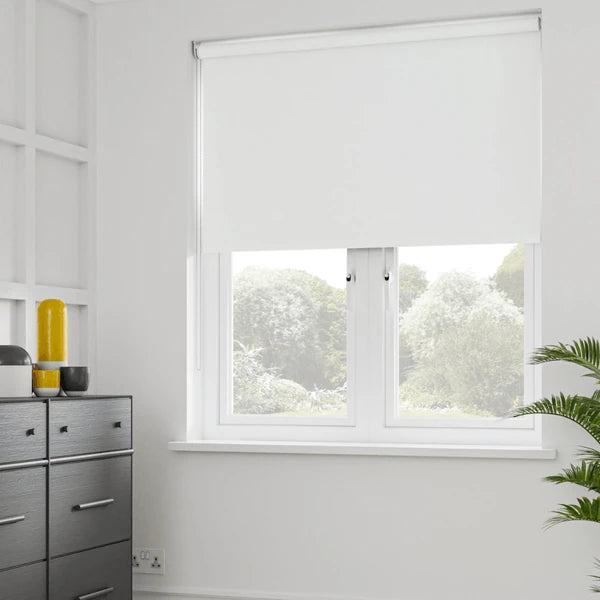
Sheer and light-filtering fabrics are designed to let daylight through, and a fair share of the sun's warmth comes with it. Blockout fabrics stop light passing through, so less of it turns into heat inside the room. Our made-to-measure roller blinds, for example, are made from polyester coated with acrylic foam.
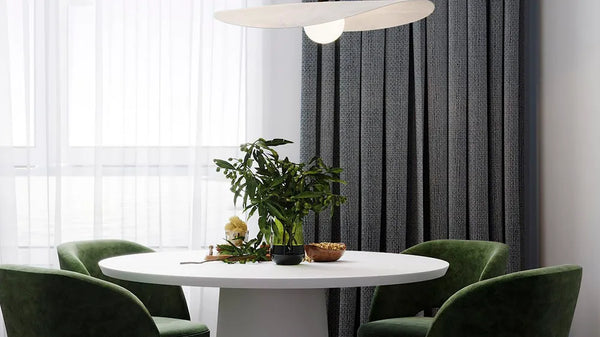
Among our curtains, the Vienna blockout curtain is made with thermal insulation in mind, and the Kirra blockout curtain uses a polyester/acrylic blend. Not sure whether you need a "thermal" curtain or a "blockout" curtain? Our thermal blinds and curtains page explains the difference.
2. A close fit
This is the step most people skip. Hot air moves, so if there is a gap above a curtain or down the sides of a blind, air warmed against the glass drifts into the room.
The ACT Government's energy advice recommends close-fitting lined curtains and blinds, with box pelmets, and curtains that reach the floor and wrap to the wall on either side of the window. In practice, that means:
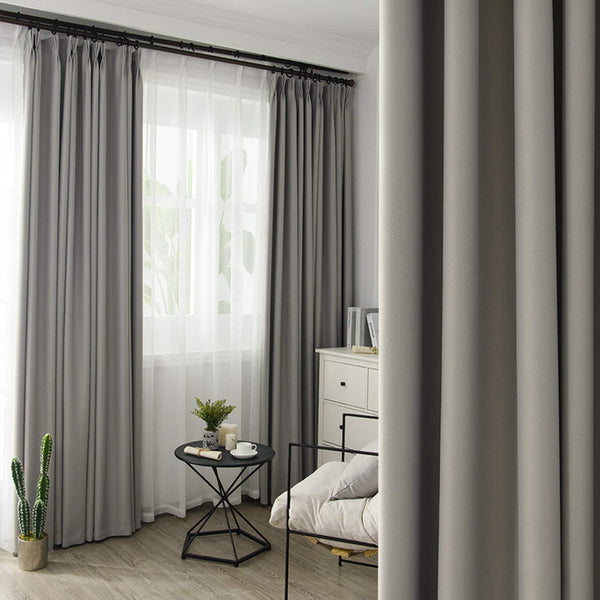
- Curtains: run the track past the window frame. Our curtain measuring guide suggests adding 100–200mm on each side when framing a window. Take the curtain to the floor and, where you can, fix the track to the ceiling to close the gap at the top.
- Roller blinds: a face fit, mounted outside the window frame, overlaps the opening and leaves less of an edge gap than a recess fit inside the frame. Our made-to-measure roller blinds come in both.
3. Layers you can adjust through the day
Summer is tricky because you still want daylight. A blockout blind that stays shut all day keeps a room cooler, but also makes it gloomy. Two layers solve that:
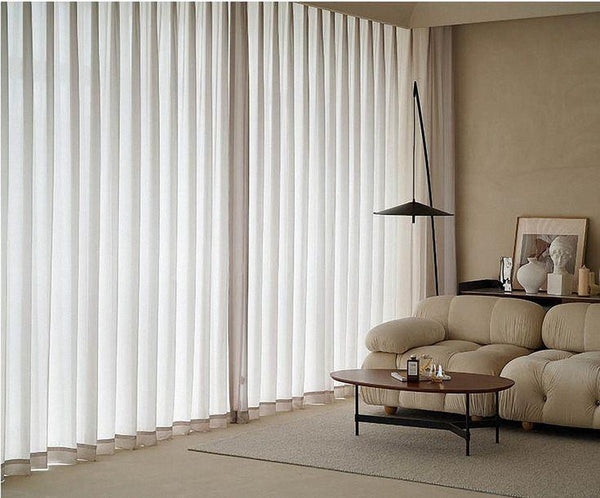
- Double curtains pair a sheer with a blockout curtain on a dual track. Draw the sheer for privacy and soft light, then close the blockout layer when the sun is on that window.
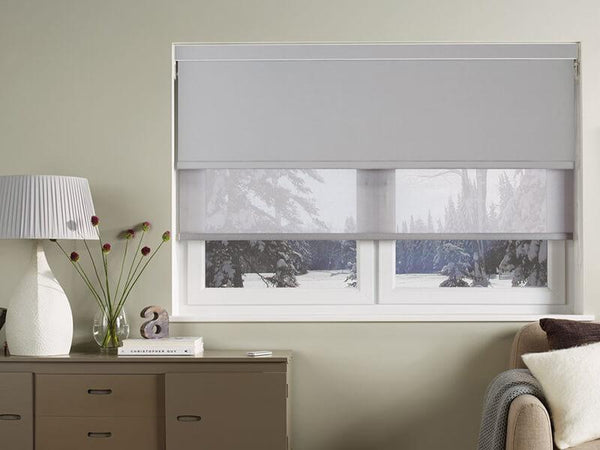
- Double roller blinds combine a light-filtering layer and a blackout layer, so you can switch between them as the sun moves around the house.

What about venetians and shutters?
Slatted products are excellent for directing light and keeping privacy while still letting air through, and tilting the slats against the sun cuts glare well. Even fully closed, though, slats leave small gaps. For a room where heat is the main problem, a blockout fabric is usually the better choice. Many homes use both: venetian blinds for everyday light control, with a blockout curtain added in the hottest rooms.
Plantation shutters sit inside the window, and closing the louvres in the afternoon helps shade a room. If you are weighing them up, see our plantation shutters page.
Which windows to fix first
- West-facing: the priority. Afternoon sun is low and direct, and it arrives when the house has already warmed up. Consider an awning outside, or a face-fit blockout blind with a curtain over it.
- East-facing: morning heat and early light. Bedrooms on this side benefit from blockout fabric for better sleep as well as a cooler room.
- North-facing: in summer the sun sits high in the sky, so eaves often shade these windows for much of the day. Light-filtering blinds may be enough.
- South-facing: little direct summer sun. Choose for privacy and style.
A simple daily routine
Close blinds and curtains on sunny windows before the heat builds, not after the room is already warm. In the evening, once it cools outside, open them up, along with the windows, to let the breeze through. The ACT Government recommends exactly this routine for summer.
If you are rarely home at the right times, motorised blinds and curtains can make the routine easier to keep.
Frequently asked questions
Do blackout blinds keep a room cool?
They help. A blockout blind stops sunlight passing through the fabric, so less of it turns into heat inside the room. They work best when they fit closely and are closed before the room heats up. For west-facing windows in full afternoon sun, combine them with outside shading if you can.
Are roller blinds good for insulation?
A close-fitting blockout roller blind adds a layer between the glass and the room. In summer that layer helps slow heat coming in; in winter it helps slow heat escaping. A floor-length curtain over the blind adds another layer. Our guide to blockout roller blinds and insulation covers the winter side.
What is the difference between thermal and blockout curtains?
Blockout curtains are designed to block light. Thermal curtains are designed to manage temperature. Many heavier blockout fabrics help with both, which is why blockout curtains are a popular choice for hot bedrooms. Our thermal range compares the two.
Are internal blinds enough on their own?
For many rooms, yes, especially with a close fit and a sensible daily routine. For large areas of west-facing glass, outside shading will make a bigger difference than any internal covering.
Get advice for your home
Window direction, eaves, glass type and how you use each room all change the answer. Our team offers a free measure and quote across Greater Sydney, and we can show you fabric samples in your own light. You can also browse our blockout curtains and roller blinds online.