
Roller, Roman, Venetian, Vertical or Shutters — Which Window Treatment Is Right for You?
Walk into any Sydney home and you'll find at least one of five window furnishing types: roller blinds, Roman blinds, Venetian blinds, vertical blinds, or shutters. Each has a different job to do — and choosing the wrong one for a room is one of the most common (and expensive) mistakes homeowners make.
This guide covers each type in detail, then compares them across the four scenarios that matter most in Sydney homes: light control, privacy, humidity resistance, and wide or sliding door windows.
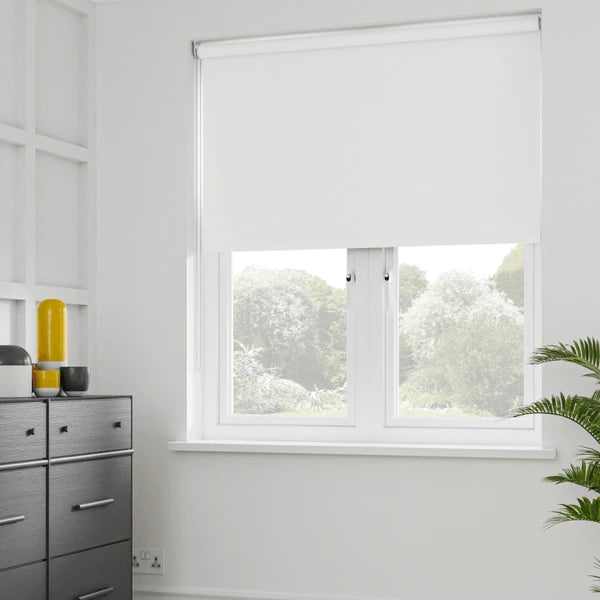
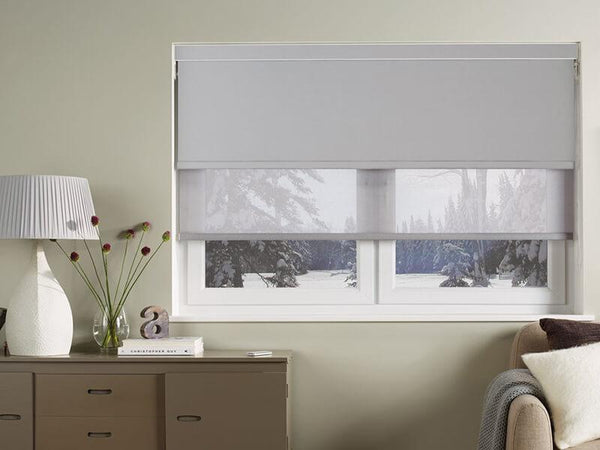
Roller blinds are the most widely used window furnishing in Australian homes — for good reason. A single piece of fabric rolls onto a tube mechanism, creating a clean, low-profile look when raised. They're available in an enormous range of fabrics: blockout (blocks all light), light-filtering (softens daylight while maintaining privacy), and sheer (lets in light with minimal visual obstruction).
Their minimal aesthetic suits modern interiors particularly well — the slim cassette profile disappears against the ceiling when the blind is fully raised. For apartments and contemporary homes, roller blinds are often the first choice.
Price range: From $49 for standard sizes; custom from $89. The most accessible price point of all five types.
Roman Blinds
Roman blinds use horizontal fabric panels that fold neatly as the blind raises, creating a stacked, structured look at the top of the window when fully open. They're the most decorative of the blind types — the fabric is visible even when raised, meaning the choice of fabric significantly affects the room's atmosphere.
Linen, cotton, and patterned fabrics work well in Roman blinds. They suit formal living rooms, dining rooms, and studies where the window furnishing is part of the room's aesthetic rather than a functional afterthought.
What to watch: Roman blinds are not ideal for large or wide windows — the stacked panels can look awkward when there's too much width. They also require more careful fabric selection as the fold pattern becomes a visual feature.
Venetian blinds use horizontal slats — typically 25mm or 50mm wide — that tilt to control the angle of incoming light without raising the blind at all. This is their defining advantage: you can adjust light and privacy independently, in real time, by turning the tilt rod. Raise slats for a view, tilt them for privacy without blocking light, or close them completely for full blockout.
Timber Venetian blinds add warmth and work well in heritage and traditional-style homes, particularly those with timber window frames. PVC Venetian blinds are fully waterproof — the only correct choice for wet areas like bathrooms, laundries, and kitchens.
What to watch: Venetian blinds accumulate dust between the slats and require more effort to clean than roller blinds. Timber Venetians should not be used in high-humidity rooms — the slats will warp over time.
Vertical blinds use vertical fabric or PVC slats that hang from a track and traverse (slide) from side to side. They were the standard choice for sliding doors and large windows throughout the 1980s and 1990s, and they remain one of the most practical options for wide openings because they stack neatly to one side when the door is in use.
Modern vertical blinds have evolved significantly from the utilitarian PVC strips of earlier decades. Fabric vertical blinds in blockout or sheer materials now offer a clean, contemporary look that suits both residential and commercial spaces. They're cost-effective across large windows where curtains or roller blinds would require multiple drops to cover the same area.
What to watch: Vertical blinds can rattle in a breeze if the window or door is left open. They also require enough room for the stacked slats when the blind is fully open — check the side clearance before ordering.
Shutters
Plantation shutters are fixed-frame window coverings with adjustable louvres — they're permanently installed as part of the window rather than hanging from a track or bracket. They're the most substantial and durable window furnishing type, and the most expensive.
Shutters add architectural value to a room, particularly in older homes with deep window reveals where they can be fitted flush within the frame. Like Venetian blinds, they allow precise light control through louvre tilt, but without the slat mechanism protruding into the room.
What to watch: Shutters require professional installation and a significant upfront investment. They're not suitable for all window types — sliding doors and unusually shaped windows present challenges. They're also harder to change if you later want a different look, since they're fixed to the window frame.
Side-by-Side Comparison: Which Type Suits Each Scenario?
The four scenarios below cover the most common decision points for Sydney homes: how well each type controls light, how much privacy it offers, whether it's suitable for wet areas, and how it handles wide windows or sliding doors.

Different rooms need different solutions — the right choice depends on what the window needs to do.
| Type | Light Control | Privacy | Wet Areas | Wide / Sliding | Price |
|---|---|---|---|---|---|
| Roller Blinds | Blockout available | Full when down | Fabric-dependent | Multiple drops needed | $ – $$ |
| Roman Blinds | Blockout lining option | Good when down | Not recommended | Not ideal | $$ – $$$ |
| Venetian Blinds | Best — tilt any angle | Excellent when tilted | PVC only — waterproof | OK to ~2.4m wide | $ – $$ |
| Vertical Blinds | Blockout available | Good full coverage | PVC option available | Best for wide spans | $ |
| Shutters | Excellent louvre control | Best — no gaps | PVC/aluminium fine | Bifold panels possible | $$$$ – $$$$$ |
Which Type for Which Room?
Bedroom — Prioritise Blockout
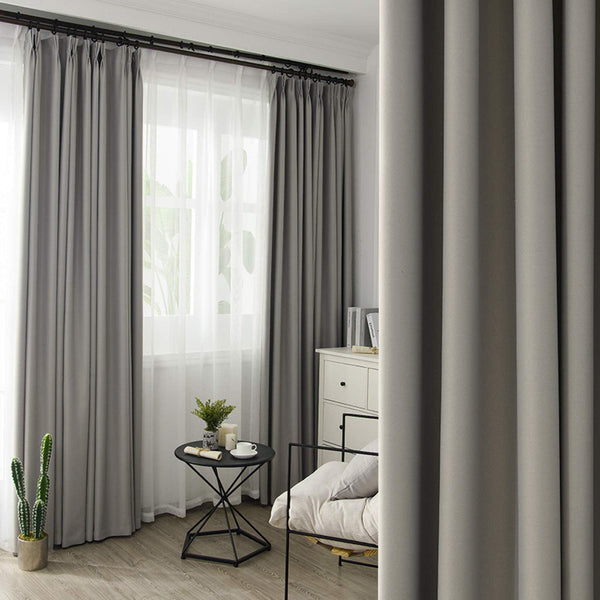
The bedroom has one non-negotiable requirement: the ability to block all light when you want to sleep. Blockout roller blinds are the most popular choice — slim, effective, and easy to combine with sheer curtains for a layered look. If you want more style, blockout curtains add warmth and texture. Venetian blinds alone are not sufficient for bedrooms — slat gaps allow light seepage.
Kitchen — Waterproof First
Steam, cooking splashes, and humidity rule out most fabric options for kitchens. PVC Venetian blinds are the correct choice: fully waterproof, wipe-clean, and able to tilt for light control without raising the blind above the splash zone. Roller blinds with moisture-resistant fabrics are a secondary option for kitchens with less direct water exposure.
Bathroom — PVC Only
Only two types are truly suitable for bathrooms: PVC Venetian blinds and PVC vertical blinds. Both are fully waterproof. Timber Venetians will warp. Fabric roller blinds will grow mould. Roman blinds are completely unsuitable for wet areas. If the bathroom window is small, PVC Venetian blinds are almost always the right answer.
Living Room — Balance Style and Function
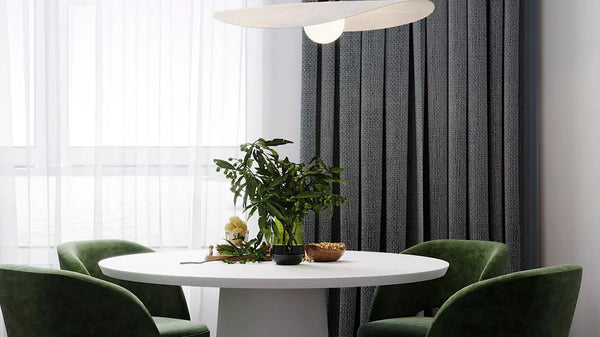
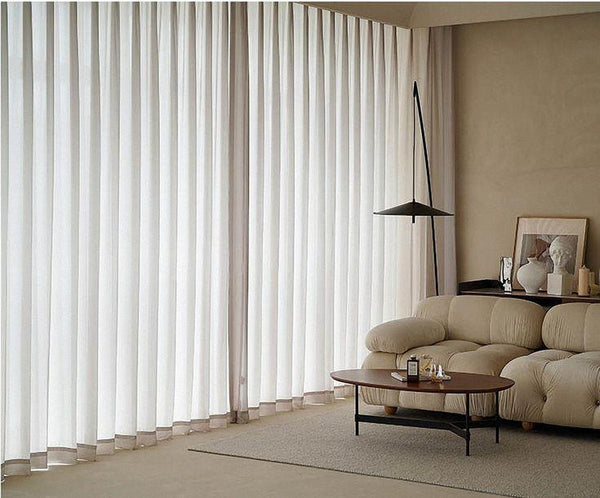
The living room is where style matters most. Sheer curtains let in diffused light while maintaining privacy; layer with blockout if the room gets strong afternoon sun. Roller blinds in a light-filtering fabric work well for a cleaner, more modern aesthetic. Roman blinds add texture and decoration. For wide living rooms with sliding doors, vertical blinds or a combination of curtains on a wide track are the most practical options.
Wide Windows and Sliding Doors — Vertical or Curtains
Windows wider than 2.4–2.7 metres and sliding doors present a challenge for most blind types. Vertical blinds are designed for exactly this scenario — they traverse on a track, stack neatly to one side, and cover any width in a single installation. Wide curtains on a sturdy track are the alternative for a softer, more luxurious look. Both options are more practical than multiple roller blind drops across a wide span.
Not Sure What Suits Your Windows?
Book a free in-home measure and quote across Greater Sydney — our team will assess your windows, show fabric samples in your home, and recommend the right product for each room. No obligation.
Book Free Measure & QuoteQuick-Reference: Best Type by Scenario
- Maximum light control: Venetian blinds — tilt to any angle without raising
- Bedroom blockout: Blockout roller blinds or blockout curtains
- Wet areas (kitchen/bathroom): PVC Venetian blinds — the only truly waterproof option
- Wide windows and sliding doors: Vertical blinds
- Heritage homes: Timber Venetian blinds or Roman blinds
- Rental properties: Roller blinds in neutral tones — durable, cost-effective, easy to replace
- Long-term investment: Plantation shutters — if the budget allows
- Style-forward living rooms: Sheer or double curtains
There is no single best window furnishing — the right choice depends on your room's function, your home's architectural style, and how you use the space. The most common mistake is choosing based on aesthetics alone and overlooking practical factors like moisture resistance or light control. If you're unsure, a free in-home measure is the fastest way to get advice specific to your windows.