
Easter Home Refresh: How to Transform Your Living Space with Autumn-Ready Window Treatments in 2026
Easter Home Refresh: How to Transform Your Living Space with Autumn-Ready Window Treatments in 2026
There is a particular kind of stillness that settles over Sydney in early April. The relentless summer glare softens into something gentler, the mornings carry a crispness that was unthinkable in February, and the light — that famous harbour-city light — turns golden and low. Easter weekend falls on April 3rd to 6th this year, giving us a rare four-day stretch where the city exhales. Most people will head north to Byron or south to Jervis Bay. But the savviest homeowners in Sydney? They will be doing something far more satisfying: transforming how their home feels for the six cooler months ahead.
Here is the truth that interior designers know but rarely say out loud — the single fastest way to change the mood, comfort, and energy efficiency of any room is not paint, not furniture, not artwork. It is your window treatments. They control light, temperature, privacy, and atmosphere all at once, and swapping or upgrading them is something you can genuinely accomplish over a long weekend.
This guide is built for that purpose. We will walk through why autumn is the ideal moment to rethink your windows, explore the five trends shaping Sydney homes in 2026, and give you a room-by-room action plan and a realistic Easter weekend timeline. Whether you are starting from bare windows or refreshing coverings that have served you well for a decade, there is something here for you.
---
Why Autumn Is the Best Time to Refresh Your Window Treatments
The Light Changes More Than You Realise
If you have lived in Sydney long enough, you feel the shift before you can name it. In December and January, we get close to fourteen hours of daylight. By mid-April, that drops to around ten and a half hours — and the angle of the sun changes dramatically. Summer sun beats almost directly overhead, which is why horizontal shade structures and external awnings work so well in those months. But as we move into autumn, the sun swings lower on the horizon, sending long shafts of light deep into rooms that barely saw direct sun all summer.
This is why the window treatments that served you perfectly from November to March often fall short from April onwards. Summer is about blocking — keeping UV radiation out, deflecting heat, preventing glare. Autumn and winter demand something more nuanced: you need to welcome that precious low-angle warmth during the day while trapping heat inside once the sun drops. It is a fundamentally different job, and it calls for a different approach.
The Insulation Factor Most People Underestimate
Here is a number worth sitting with: according to Australian energy efficiency research, approximately forty percent of home heating energy escapes through windows. Not walls, not roofs — windows. In a country where we have invested heavily in wall insulation and draught-proofing, the glass remains the weak point in most homes.
The good news is that the right window coverings act as a surprisingly effective insulation layer. Honeycomb blinds, sometimes called cellular blinds, are the standout performers here. Their unique structure traps air in discrete pockets, creating a buffer between the cold glass and your room. Studies consistently show that quality honeycomb blinds can reduce heat loss through windows by up to forty percent and deliver energy bill savings of up to thirty-four percent. Blockout roller blinds, while simpler in construction, still manage to cut heating and cooling costs by roughly thirty percent by creating a solid barrier against thermal transfer.
When you consider that the Australian Energy Regulator's data puts the average New South Wales household electricity bill at around $1,965 per year, and that heating represents a significant slice of that figure during the cooler months, the arithmetic becomes compelling. Window treatments are not just a decorating decision — they are an energy infrastructure investment that begins paying you back from the first cold night.
The Psychology of the Season
There is a reason we instinctively start reaching for heavier blankets and warmer lighting as the days shorten. Psychologists call it "nesting" or "cocooning" — a deeply human impulse to create warmth, enclosure, and comfort as the outside world cools. We see it every autumn: the scented candles come out, the throw cushions get plumper, the desire for a room that feels like a hug intensifies.
Window coverings play a central role in this psychological shift, though we rarely think of them that way. A room with bare or minimal windows feels exposed as the evenings darken earlier. The same room with thoughtfully layered coverings — soft sheers diffusing the afternoon light, a heavier blind drawn down as dusk falls — immediately feels held, warm, and intentionally designed. It is arguably the fastest, most impactful comfort upgrade you can make to any space, and unlike a new sofa or a kitchen renovation, it is something you can plan over a week and install over a weekend.
The Easter long weekend sits perfectly in this seasonal sweet spot. April in Sydney is the transition month — warm enough during the day to have windows open while you work, cool enough in the evening to immediately appreciate what your new window treatments are doing. You get instant feedback, which is enormously satisfying.
---
5 Window Treatment Trends Worth Embracing This Autumn
The window covering industry moves more slowly than fashion, which is actually a good thing — it means trends tend to reflect genuine shifts in how people live rather than fleeting aesthetics. Here are five movements that are shaping Sydney homes in 2026, each with real practical benefits beyond looking good.

1. Layered Window Coverings: The Sheer-Plus-Blockout Approach
Picture this: it is a Saturday afternoon in late April, and you are reading on the sofa in your living room. The sun is low enough to stream directly through the west-facing windows, but instead of harsh glare, the light arrives softened through a layer of white sheer curtains — diffused, warm, almost luminous. The room glows without squinting. Later, as the temperature drops after sunset, you lower the blockout roller blind behind the sheer, and the room immediately feels five degrees warmer. You have not touched the thermostat.
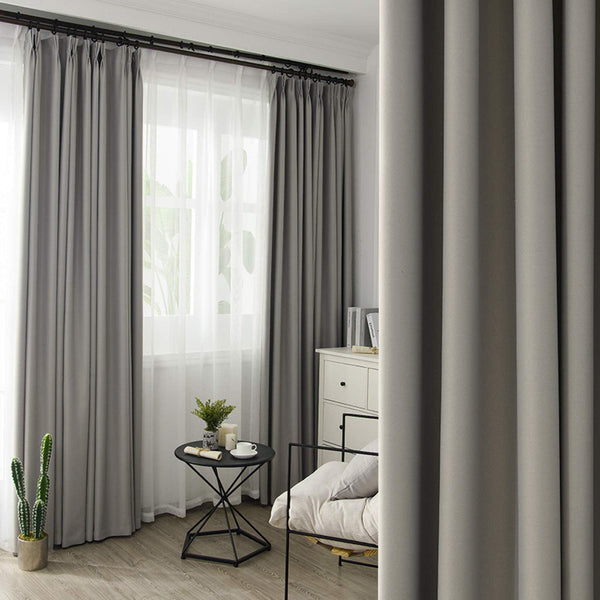
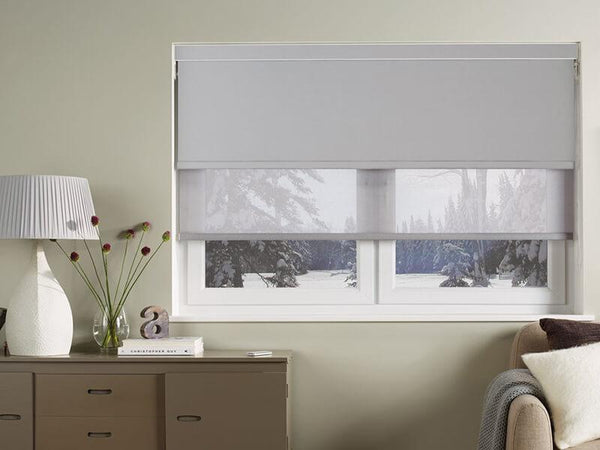
This layered approach — a sheer curtain or blind paired with a heavier blockout layer — has become the most requested combination in Australian homes, and for good reason. It gives you complete control over two variables that are constantly changing in autumn: light and temperature. During the day, the sheers filter UV while still allowing you to see your garden or streetscape. In the evening, the blockout layer provides insulation, total privacy, and darkness for better sleep. For an even more streamlined layered solution, consider double roller blinds, which combine a sheer and a blockout fabric on a single bracket system.
What makes this particularly effective in Sydney is our climate variability. We can have a twenty-five degree April afternoon followed by a twelve degree night. Layered window coverings let you respond to those swings without committing to a single solution. For north and west-facing windows especially, this combination is difficult to beat. For more on combining different window coverings, see our guide on how to pair your blinds and curtains together.
2. Warm Neutral Palettes Are Replacing Cool Greys
If the past decade in Australian interiors could be summarised in a single colour, it would be grey. Cool grey walls, grey timber-look flooring, grey linen sofas. It was handsome while it lasted, but the pendulum has swung decisively. The palettes dominating window treatment selections in 2026 are warmer, earthier, and more layered: cashmere cream, sandstone, sage green, muted olive, and soft terracotta.
This is not just an aesthetic preference — it reflects a broader industry movement that major manufacturers like Luxaflex and local Australian suppliers have been tracking. Warm neutrals make rooms feel more inviting and less clinical, which is precisely what people crave as they spend more time indoors during the cooler months. A set of roller blinds in a soft oatmeal or warm stone tone will visually warm a room in a way that a crisp cool-white blind simply cannot.
The practical advice here is straightforward: if your walls are already a warm white or cream, lean into sandy and natural tones for your window coverings. If you have cooler-toned walls and are not planning to repaint, sage green and muted olive are remarkably versatile — they bridge warm and cool palettes and pair beautifully with both timber and stone finishes.
3. Natural Materials: Linen, Bamboo, and Cotton Blends
The biophilic design movement — the idea that humans are healthier and happier when surrounded by natural materials and references to the natural world — has moved from architectural theory into mainstream Australian interiors. Nowhere is this more visible than in window coverings.
Linen-look fabrics have surged in popularity, offering that beautiful, slightly textured drape that synthetic materials struggle to replicate. Bamboo and timber venetian blinds bring organic warmth and pattern. Cotton blend Roman blinds in undyed or naturally dyed fabrics add softness without visual weight. These materials breathe in a way that polyester does not, which matters in a climate like Sydney's where humidity can fluctuate significantly between seasons.
Beyond aesthetics, there is a genuine tactile pleasure in natural materials. Running your hand along a linen Roman blind or adjusting the slats of a real timber venetian connects you to the covering in a way that feels deliberate and grounding. For bedrooms and living areas in particular — rooms where comfort and sensory experience matter most — natural material window treatments create a quality of atmosphere that is difficult to achieve any other way.
4. Smart Motorised Blinds: No Longer a Luxury
If you still think of motorised blinds as something you see in architecturally designed homes or hotel suites, 2026 is the year to update that assumption. Smart motorisation has crossed the threshold from premium add-on to practical standard, and autumn in Sydney is the season where the benefits become impossible to ignore.
Here is why: in summer, the sun rises and sets at roughly the same time for weeks on end. Your manual routine works. But in autumn, sunrise shifts from around 6:00 AM in early April to nearly 6:30 AM by the end of the month, and sunset moves from 6:30 PM to closer to 5:15 PM. These are meaningful shifts that happen gradually, and most people simply do not adjust their blinds to match. The result is rooms that are darker than they need to be in the morning and losing heat through uncovered windows well before you remember to close them at night.
Motorised blinds, programmed to open and close in sync with actual sunrise and sunset times, solve this completely. Paired with a smart home hub — Google Home, Amazon Alexa, or Apple HomeKit — you can set automations that adjust your blinds to the season without any ongoing effort. Some homeowners program a gentle wake-up sequence where bedroom blinds open gradually over fifteen minutes, letting natural light replace an alarm. Others set living room blinds to close automatically at sunset, capturing the day's warmth before it radiates out through the glass.
The technology itself has matured considerably, with quieter motors, longer-lasting rechargeable battery options that eliminate the need for hardwiring, and reliable app control. CAS Blinds partners with ALPHA Motors for smart motorisation solutions, offering systems that integrate cleanly with existing smart home setups.
5. Sustainable and Eco-Conscious Window Treatments
Australian consumers are asking harder questions about where their home products come from and what they are made of, and the window covering industry is responding. Sustainable window treatments are no longer a niche category — they are becoming a baseline expectation, particularly among Sydney homeowners renovating or building in 2026.
The shift is happening across several fronts. Fabrics made from recycled PET — essentially, old plastic bottles transformed into polyester yarns — now offer performance and appearance that is genuinely indistinguishable from virgin materials. Organic cotton and responsibly sourced timber venetians provide natural alternatives with verified supply chains. Low-VOC (volatile organic compound) components, from the fabrics themselves to the adhesives and coatings used in manufacturing, mean that new blinds no longer off-gas that chemical smell into your home.
This matters more than many people realise. Window coverings are large surface-area items that sit in direct sunlight for hours every day. Coverings manufactured with high-VOC materials can release compounds into your indoor air for months after installation. Choosing low-VOC, sustainably manufactured options is not just an environmental statement — it is a practical indoor air quality decision, particularly relevant in autumn and winter when windows tend to stay closed for longer periods and ventilation decreases.
---
Room-by-Room Autumn Window Refresh Guide
Every room in your home has a different relationship with light, temperature, and privacy — and your window treatments should reflect that. Here is a practical, room-by-room guide to getting your home autumn-ready this Easter.
Living Room: Where First Impressions Are Made
The living room is the heart of your home and usually the first space guests see. Window treatments here are not just functional — they set the entire room's tone.
Layered styling is the hero move for autumn. Pair sheer curtains for beautiful daytime light filtering with blockout roller blinds mounted behind them for evening insulation and privacy. During the day, the sheers soften Sydney's autumn light into a warm, diffused glow. As the sun sets and temperatures drop, you simply lower the blockout layer to seal in warmth and shut out the chill.
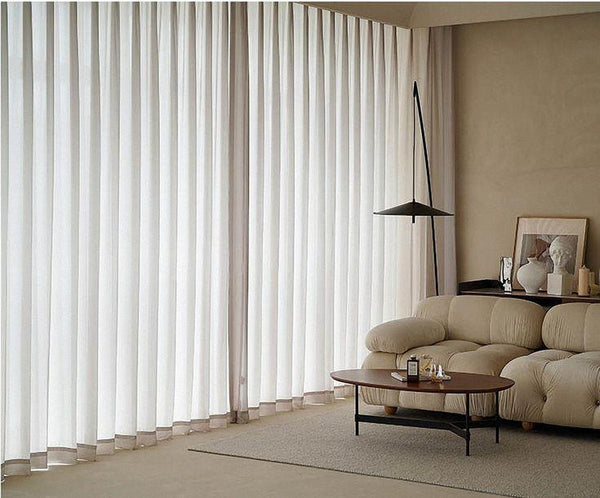
For your autumn colour palette, think warm neutrals: cashmere cream, sandstone, and soft sage green. These tones work with virtually any interior style and create that cocooning feeling we naturally crave as the cooler months set in.
If your living room has large windows, sliding doors, or hard-to-reach high panels, this is where motorisation genuinely earns its place. A motorised panel glide system for wide openings or automated roller blinds for tall windows means you actually use your window treatments properly — rather than leaving them in one position because adjusting them manually is a hassle.
Bedroom: Prioritise Darkness and Warmth
As autumn progresses and mornings grow darker, your bedroom window treatments become critical for sleep quality. The priority here is simple: total darkness and thermal insulation.
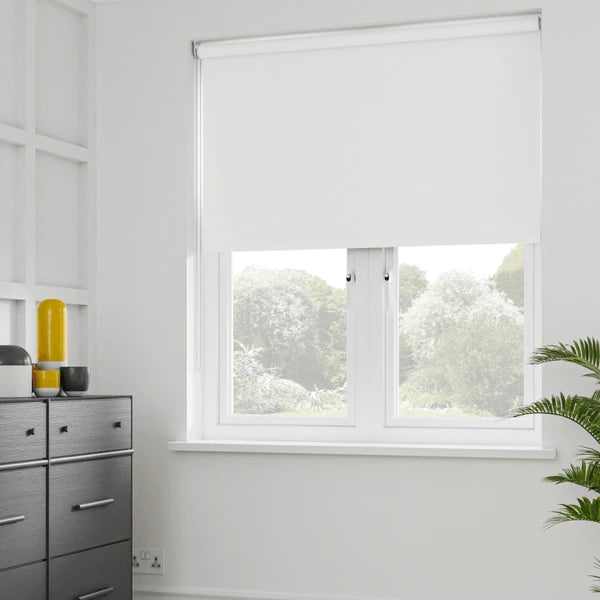
Blockout roller blinds are the proven choice — a well-fitted blockout roller eliminates virtually all external light. But if you want the dual benefit of complete darkness and superior insulation, honeycomb cellular blinds are the top performer. Their unique cell structure traps air in distinct pockets, creating a barrier between the cold glass and your room's warmth.
Motorisation is the number one bedroom upgrade, and it is not about luxury — it is about practicality. Imagine your blinds gradually opening with your morning alarm, letting natural light gently wake you instead of a jarring alarm tone. Or closing automatically at sunset so you never have to fumble around in the dark. For parents with young children, automated blackout blinds in the nursery are a genuine game-changer for nap times.
When choosing fabrics, lean toward heavier weights and thermal-lined options. They add another layer of insulation and give the room a more substantial, cosy feel.
Dining Room: Elegant Texture and Ambient Light
The dining room calls for a different approach. Full blockout is rarely necessary here — what you want is ambient natural light that makes food look beautiful and conversation feel relaxed.
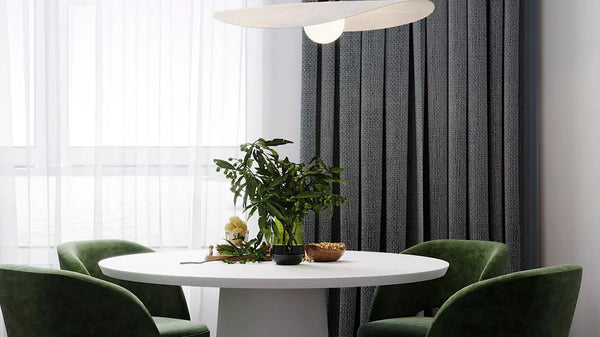
Roman blinds in natural linen are the perfect autumn dining room solution. The soft, horizontal folds create an elegant, textured look that hard blinds cannot replicate. For colours, sage green, sandstone, and warm oatmeal are ideal choices — rich enough to feel seasonal without overpowering the space.
Choose light-filtering rather than full blockout fabric. Your dining room benefits from that soft, diffused natural light — especially during long autumn Sunday lunches where the golden afternoon light is half the atmosphere.
Study and Home Office: Reduce Glare, Protect Your Eyes
With more Sydneysiders working from home than ever, your study or home office deserves serious attention. The challenge here is specific: reducing screen glare while maintaining enough natural light to avoid eye strain.
Light-filtering roller blinds are your best friend in a workspace. They diffuse harsh direct sunlight into an even, comfortable glow that does not compete with your monitor. West-facing home offices face a particular autumn challenge — as the sun drops lower, that late afternoon light comes in at a sharp angle, right at eye level. Adding a sheer layer behind your roller blind gives you an extra level of control for those tricky afternoon hours.
Motorisation offers a genuinely practical benefit here: adjusting your light levels without interrupting your workflow. Instead of standing up and fiddling with cords every time the light shifts, a quick tap on your phone keeps you in your flow state. For a deeper dive, read our complete guide on how to pick the best blinds for your home office.
---
Your Easter Weekend Action Plan
The Easter long weekend is four days of opportunity. Here is a practical step-by-step plan to make the most of it.
Before Easter (This Week)
Start your research now. Browse product ranges online, look at styling inspiration, and create a shortlist of window treatments that catch your eye. Think about which rooms need attention most urgently.
Most importantly, book your free in-home measure and quote appointment for the Easter weekend. Getting on the schedule now means you will have a confirmed time slot.
Good Friday
Relax. Enjoy the holiday. Your consultation is already booked for the weekend. Spend the day with family, eat hot cross buns, and let the anticipation build.
Saturday: Your Free In-Home Consultation
This is where the real progress happens. A professional consultant comes to your home — at no cost and with absolutely no obligation — to take precise measurements and walk you through your options in the actual rooms where the blinds will be installed. You are seeing fabric samples, colours, and styles against your own walls, furniture, and lighting conditions. No guesswork.
Because CAS Blinds is factory-direct, you are dealing with the maker rather than a middleman. The person advising you understands the product from manufacturing through to installation — and factory-direct pricing means your budget stretches further than it would at a retail showroom.
Easter Sunday and Monday
Review your quotes at your own pace. Compare options. Talk it over with your household. There is no pressure, no expiring discount that vanishes at midnight. A family business that has been operating for over twenty years does not need high-pressure tactics — they will be here next week, next month, and next year for warranty and support whenever you need them.
---
An Investment That Keeps Giving
This Easter, instead of spending the long weekend on forgettable activities, invest a few hours in something that keeps giving back — all autumn, all winter, and for years to come. The right window treatments reduce your heating bills, improve your sleep, protect your furnishings from UV damage, and transform the look and feel of every room in your home.
Sydney's autumn is a beautiful season, and your home should be ready to enjoy every moment of it — warm mornings, golden afternoons, and cosy evenings alike.
Ready to get started? Book your free in-home measure and quote with CAS Blinds. Call the team, visit the website, or walk into the Homebush West showroom. Over twenty years of family expertise, factory-direct pricing, and genuine care for getting your home right — no obligation, just honest advice from people who love what they do.
---
Frequently Asked Questions
What are the best window treatments for autumn in Sydney?
The best autumn window treatments for Sydney homes combine thermal insulation with light control. Honeycomb cellular blinds are the top performer for insulation, trapping air in their cell structure to reduce heat loss through windows. Blockout roller blinds offer excellent darkness and reasonable insulation. For the best overall result, a layered approach — sheer curtains paired with blockout roller blinds — gives you full flexibility to manage light, privacy, and temperature throughout the day as Sydney's autumn weather shifts.
How much can window coverings save on heating bills?
Properly fitted window treatments can reduce heat loss through windows by up to forty percent, according to Australian energy efficiency research. Windows are typically the weakest point in a home's thermal envelope, and even basic blinds create a meaningful barrier. Honeycomb cellular blinds and layered curtain-and-blind combinations deliver the highest energy savings. The exact amount depends on your home's size, window area, and existing insulation, but most households notice a genuine reduction in heating costs from their first autumn with quality window coverings installed.
What is the difference between roller blinds and roman blinds?
Roller blinds use a single piece of fabric that rolls neatly around a top-mounted tube — they are sleek, minimal, and excellent for modern interiors. They are available in blockout, light-filtering, and sunscreen fabrics. Roman blinds fold into soft horizontal pleats when raised, creating a more layered, textured look suited to traditional or relaxed interiors. Roman blinds tend to offer a warmer, more decorative aesthetic, while roller blinds prioritise clean lines and practical function. Both are available in a wide range of fabrics and colours suitable for autumn styling. For a more detailed comparison, see our guide on roller blinds vs venetian blinds: style, privacy, and cost compared.
Are motorised blinds worth it for Australian homes?
Motorised blinds are increasingly popular in Australian homes, and the value extends well beyond convenience. Practical benefits include automated schedules that open and close blinds with the sun for energy savings, improved home security when you are away, and easier operation for hard-to-reach or large windows. In bedrooms, wake-up automation improves sleep quality. For families with young children, cordless motorised blinds eliminate dangling cord hazards entirely. With smart home integration through systems like ALPHA Motors, motorised blinds connect to voice assistants and smartphone apps.
---
Window Treatment Comparison for Autumn 2026
|
Window Treatment Type |
Insulation Rating |
Light Control |
Best Room |
Autumn Suitability |
|
Honeycomb / Cellular Blinds |
★★★★★ Excellent |
Full blockout to light filtering |
Bedroom, Living Room |
Best-in-class thermal performance |
|
Blockout Roller Blinds |
★★★★ Very Good |
Complete blockout |
Bedroom, Media Room |
Strong darkness + solid insulation |
|
Sheer Curtains |
★★ Moderate |
Light filtering only |
Living Room, Dining Room |
Beautiful light diffusion, limited warmth |
|
Roman Blinds |
★★★ Good |
Light filtering to semi-blockout |
Dining Room, Living Room |
Elegant texture, decent insulation |
|
Layered (Sheer + Blockout) |
★★★★★ Excellent |
Full range: sheer to blockout |
Living Room, Bedroom |
Maximum flexibility for changing conditions |
|
Motorised Smart Blinds |
Varies by blind type |
Automated precision control |
Any room, especially hard-to-reach |
Schedule-based automation optimises energy use |