
Blockout Blinds vs Light Filtering Blinds: How to Choose the Right Fabric for Every Room
Blockout Blinds vs Light Filtering Blinds: How to Choose the Right Fabric for Every Room in Your Sydney Home
You've measured your windows. You've chosen roller blinds. Then comes the question that stumps nearly every homeowner: blockout or light filtering?
It sounds simple enough — one blocks light, the other lets it through. But the difference between these two fabrics affects far more than brightness. It shapes how well you sleep, how much you spend on energy, how private your rooms feel after dark, and whether your furniture fades over time.
This guide walks you through everything you need to know to make the right choice for every room in your Sydney home — including a clever solution that gives you both.
What Are Blockout Blinds?
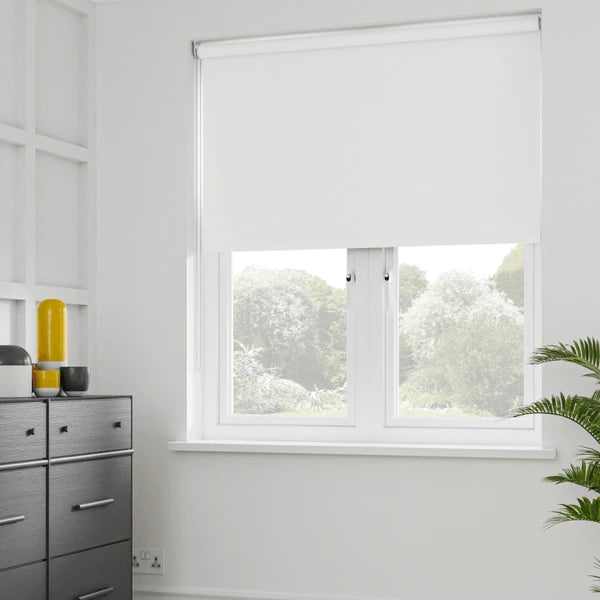
Blockout blinds use a multi-layered fabric construction — typically three layers with a foam or acrylic coating sandwiched between the face fabric and a white backing. This structure blocks 99.9% of incoming light when properly fitted.
The white backing serves a dual purpose: it reflects heat away from the window in summer and presents a uniform appearance from the street, which is particularly important for strata-compliant Sydney apartments.
Key characteristics of blockout roller blinds:
|
Feature |
Blockout Performance |
|
Light blocking |
99–100% (near-total darkness) |
|
UV protection |
99%+ UV blocked |
|
Thermal insulation |
High — reduces heat gain by up to 60% |
|
Privacy (daytime) |
Complete |
|
Privacy (night, lights on) |
Complete — no silhouettes visible |
|
Fabric weight |
Medium to heavy (260–320 gsm typical) |
|
Colour range |
Wide — dark backing means face colour is independent |
When blockout blinds are the clear winner:
-
Bedrooms — especially for shift workers, babies, or anyone who values sleeping past sunrise in Sydney's early summer dawns (5:30 am in December)
-
Home theatres and media rooms — screen glare elimination
-
Street-facing ground floor windows — total privacy day and night
-
West-facing rooms — blocking intense afternoon heat on Sydney's western suburbs
What Are Light Filtering Blinds?
Light filtering blinds — sometimes called sunscreen or translucent blinds — use a single-layer woven fabric that softens and diffuses incoming light without blocking it entirely. The weave creates a gentle, even glow throughout the room.
These fabrics come in varying degrees of openness, measured as an openness factor (OF):
|
Openness Factor |
Light Transmission |
Visibility |
Best For |
|
1% OF |
~15–20% light through |
Very limited see-through |
Privacy-focused rooms |
|
3% OF |
~25–35% light through |
Moderate outward view |
Living areas with neighbours nearby |
|
5% OF |
~40–50% light through |
Good outward view |
Upper floors, scenic views |
|
10% OF |
~55–65% light through |
Clear outward view |
High-rise apartments, harbour views |
Key characteristics of light filtering roller blinds:
|
Feature |
Light Filtering Performance |
|
Light blocking |
15–65% depending on openness factor |
|
UV protection |
75–95% UV blocked (even at 10% OF) |
|
Thermal insulation |
Moderate — reduces glare and heat, not total |
|
Privacy (daytime) |
Good — you can see out, but others cannot see in |
|
Privacy (night, lights on) |
Limited — silhouettes may be visible |
|
Fabric weight |
Light to medium (150–220 gsm typical) |
|
Colour range |
Wide — fabric colour affects light tone in room |
When light filtering blinds are the clear winner:
-
Living rooms — maintaining natural light and connection to outdoors
-
Kitchens — reducing glare on benchtops while keeping the room bright
-
Home offices — reducing screen glare without needing desk lamps at midday
-
Rooms with harbour, garden, or parkland views — preserving the outlook you're paying for
Head-to-Head Comparison
Light Control
|
Scenario |
Blockout |
Light Filtering |
|
Complete darkness for sleeping |
✅ Excellent |
❌ Not possible |
|
Soft ambient daytime glow |
❌ All or nothing |
✅ Excellent |
|
Glare reduction on screens |
✅ Total elimination |
✅ Good reduction |
|
Preserving outdoor views |
❌ View blocked when closed |
✅ View maintained |
|
UV furniture protection |
✅ 99%+ blocked |
✅ 75–95% blocked |
The fundamental trade-off: blockout gives you control — light on or light off. Light filtering gives you balance — reduced glare and heat while maintaining the feel of a naturally lit room.
Energy Efficiency in Sydney's Climate
Sydney's climate presents a specific challenge: hot summers with intense western sun, combined with mild but occasionally chilly winters. Your blind fabric choice directly affects your energy bills.
|
Energy Factor |
Blockout |
Light Filtering |
|
Summer heat rejection |
High — white backing reflects up to 60% of solar heat |
Moderate — reduces 25–40% depending on OF |
|
Winter heat retention |
Good — fabric acts as insulation layer |
Minimal — open weave allows heat to escape |
|
Air conditioning load reduction |
Significant — can reduce cooling costs 15–25% |
Moderate — 5–15% reduction |
|
Natural light vs artificial light trade-off |
Blocks all natural light — may increase lighting costs |
Lets light in — reduces need for artificial lighting |
|
Best orientation |
West and north-facing windows (high heat gain) |
East and south-facing windows (moderate heat gain) |
For a typical Sydney home, the energy-optimal strategy is not choosing one fabric for every window — it's matching the fabric to the orientation and purpose of each room.
Privacy Comparison
This is where many Sydney homeowners get caught out. Light filtering blinds provide excellent daytime privacy — the brightness differential means people outside cannot see into a darker interior. But at night, when interior lights are on, the situation reverses.
|
Privacy Scenario |
Blockout |
Light Filtering |
|
Daytime, blinds closed |
Complete privacy |
Good — one-way vision (you see out, they cannot see in) |
|
Night, interior lights on |
Complete privacy |
Compromised — silhouettes visible from outside |
|
Bathroom use |
Suitable for all hours |
Daytime only (unless combined with another treatment) |
|
Street-level bedroom |
Recommended |
Not recommended as sole treatment |
|
Upper floor (3+ storeys) |
Optional |
Generally sufficient |
The night privacy gap is the single most common reason Sydney homeowners add a second window treatment or upgrade to double roller blinds.
Durability and Maintenance
|
Maintenance Factor |
Blockout |
Light Filtering |
|
Dust accumulation |
Lower — smoother surface |
Higher — woven texture traps fine dust |
|
Cleaning method |
Damp cloth wipe |
Gentle vacuum with brush attachment |
|
Fabric lifespan (Sydney conditions) |
8–12 years |
7–10 years |
|
Colour fading |
Slower — backing protects face fabric |
Moderate — direct light exposure can shift tone |
|
Coastal salt air resistance |
Good — coated surface |
Depends on fabric composition |
|
Pet and child friendliness |
More resistant to marks |
Easier to snag on woven texture |
Both fabrics are well-suited to Sydney's conditions. The foam-backed construction of blockout fabric tends to be slightly more durable, but light filtering fabrics are easier to keep clean with regular gentle vacuuming.
Cost Comparison
|
Cost Factor |
Blockout |
Light Filtering |
|
Fabric cost (relative) |
Moderate to high |
Low to moderate |
|
Installation |
Standard roller mechanism — same for both |
Same |
|
Motorisation compatibility |
Excellent — heavier fabric suits motor well |
Excellent |
|
Long-term energy savings |
Higher in west/north rooms |
Lower overall |
|
Replacement frequency |
Less frequent |
Slightly more frequent |
For a rough guide, light filtering roller blinds typically sit at the lower end of the price range, while blockout fabrics add a modest premium for the multi-layer construction. Both represent strong value compared to alternatives like plantation shutters or heavy curtain systems. Contact CAS Blinds for a tailored quote based on your specific window sizes and fabric choices.
The Double Roller Blind Solution: Why Choose When You Can Have Both?
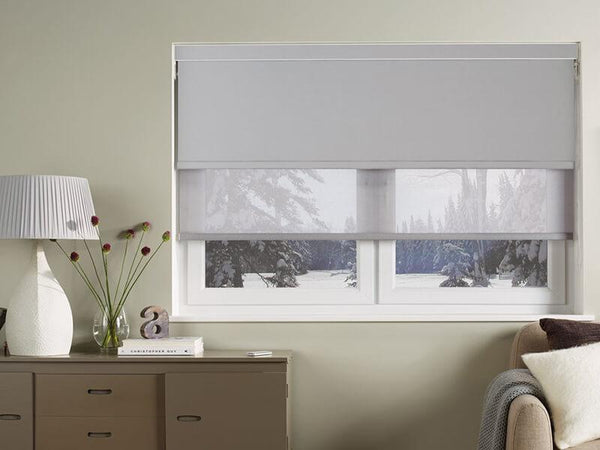
Here's the option that solves every compromise on this page: double roller blinds.
A double roller system mounts two roller blinds on a single bracket — typically a light filtering blind at the front (closest to the glass) and a blockout blind behind it. Each operates independently, giving you four modes:
|
Mode |
Front (Light Filtering) |
Back (Blockout) |
Result |
|
Open |
Up |
Up |
Full natural light and view |
|
Day mode |
Down |
Up |
Soft filtered light, daytime privacy, UV protection |
|
Night mode |
Up or Down |
Down |
Complete darkness and privacy |
|
Full protection |
Down |
Down |
Maximum insulation, privacy, UV and light blocking |
Why double rollers are increasingly popular in Sydney:
-
Total flexibility — One window, four light levels, all seasons covered
-
Energy optimisation — Deploy the right layer for each time of day and season
-
Night privacy solved — The blockout layer eliminates the silhouette problem
-
Cleaner aesthetic — Both blinds sit inside one pelmet, creating a streamlined look
-
Motorisation-friendly — Both blinds can be motorised with a single remote or integrated with smart home systems
Double roller blinds are particularly popular in Sydney's open-plan living areas, where the same window might need soft filtered light during the day and complete blockout for evening movie watching.
The modest additional investment over a single roller blind delivers a genuinely transformative improvement in daily comfort and flexibility. Explore double roller blind options here.

Room-by-Room Recommendations for Sydney Homes
Master Bedroom
Recommended: Blockout (or double roller with blockout layer)
Your bedroom is where fabric choice matters most. Sydney's summer sunrise at 5:30 am means blockout fabric isn't a luxury — it's essential for quality sleep. If your bedroom has a pleasant outlook or you enjoy waking to gentle light on winter mornings, a double roller blind gives you the best of both worlds.
Alternatively, pair blockout roller blinds with sheer curtains for a layered, textured look that's particularly popular in contemporary Sydney bedrooms.
Children's Bedrooms and Nurseries
Recommended: Blockout (non-negotiable)
Young children and babies are highly sensitive to light cues. Blockout blinds help maintain nap schedules during long summer afternoons and support earlier bedtimes when it's still light outside. The white backing also reflects heat, keeping the room cooler — important for safe infant sleep.
Living Room
Recommended: Light filtering (or double roller)
The living room is where you spend your waking hours — natural light matters here. A light filtering fabric with 3–5% openness factor strikes the ideal balance: reduced glare for TV watching, maintained connection to outdoor views, and UV protection for furniture and flooring.
If your living room has west-facing windows that cop the afternoon sun, consider double roller blinds so you can deploy the blockout layer during peak heat (2–5 pm in summer) without losing natural light the rest of the day.
Kitchen and Dining Area
Recommended: Light filtering (1–3% OF)
Kitchens need light — for food preparation safety, for the ambiance of shared meals, and because nobody wants to cook under fluorescent lights on a sunny morning. A tighter openness factor (1–3%) provides strong UV protection for kitchen cabinetry while maintaining that bright, airy feel.
Light filtering fabrics also handle kitchen humidity better than heavier blockout options, and their smoother surface is easier to wipe down if splashes occur.
Home Office
Recommended: Light filtering (3–5% OF) or double roller
Screen glare is the enemy of productivity. Light filtering blinds eliminate harsh glare while maintaining enough ambient light to reduce eye strain — a critical balance for anyone working from home in Sydney (and that's a lot of us since 2020).
If your home office doubles as a guest room, double roller blinds let you switch between productive filtered light and guest-ready darkness.
Bathroom
Recommended: Blockout (for ground floor) or light filtering 1% OF (for upper floors)
Bathroom privacy is non-negotiable. Ground-floor and street-facing bathrooms need blockout fabric — full stop. Upper-floor bathrooms can get away with a tight 1% openness factor light filtering blind, which provides daytime privacy while letting in soft light.
Choose moisture-resistant fabric options for any bathroom installation. Roller blinds are the preferred format for bathrooms due to their compact form and resistance to humidity.
Media Room or Home Theatre
Recommended: Blockout (non-negotiable)
Any room with a projector or large screen demands complete darkness for optimal viewing. Blockout fabric eliminates reflections and light bleed. Pair with a pelmet to prevent light leaking above the blind, and ensure the blind is sized for full window coverage with minimal light gaps at the edges.
Choosing the Right Colour and Finish
Fabric colour affects performance differently for each type:
Blockout colour considerations:
-
Face colour is cosmetic — the white backing does the thermal work regardless
-
Dark face colours create a cosier, more intimate atmosphere
-
Light face colours make rooms feel larger and more open
-
The street-facing side always appears white (or off-white), maintaining a uniform exterior
Light filtering colour considerations:
-
Fabric colour changes the quality of light entering the room
-
White and cream fabrics produce neutral, true-colour light
-
Warm grey fabrics create a sophisticated, contemporary tone
-
Charcoal fabrics reduce light further while maintaining views (lower perceived openness)
-
Avoid strong colours (red, green, blue) as they tint all incoming light
For a consistent street-level appearance across your Sydney home — important for townhouses and apartments where strata rules apply — choose fabrics with a similar external appearance regardless of the internal colour choice.
Motorisation: Equally Suited to Both Fabrics
Both blockout and light filtering roller blinds are excellent candidates for motorisation. Motorised blinds allow you to:
-
Set schedules aligned with Sydney sunrise and sunset times
-
Integrate with smart home systems (Google Home, Amazon Alexa, Apple HomeKit)
-
Operate hard-to-reach windows safely (cathedral ceilings, stairwells)
-
Automate energy management — closing west-facing blockout blinds at 2 pm in summer
Motorisation is particularly valuable for double roller blinds, where managing two layers manually at every window can become tedious. A single remote or voice command operates both layers seamlessly.
Common Mistakes Sydney Homeowners Make
Mistake 1: Choosing one fabric for the entire house
Every room has different light, privacy, and thermal needs. A whole-house approach almost always compromises somewhere. Invest the time to assess each room individually.
Mistake 2: Ignoring the night privacy issue with light filtering
This catches people every time. Light filtering is brilliant during the day — but if your ground-floor living room faces the street, you need a plan for evening privacy. Double roller blinds or pairing with blockout curtains are the most elegant solutions.
Mistake 3: Forgetting about side and bottom light gaps
Even the best blockout fabric loses effectiveness if light bleeds around the edges. For rooms where darkness matters (bedrooms, media rooms), discuss installation options that minimise gaps — side channels, pelmets, and generous overlap beyond the window frame.
Mistake 4: Choosing openness factor based on looks alone
A 10% openness factor looks great in a showroom, but in a ground-floor room facing a footpath, it offers almost no daytime privacy. Match the openness factor to your privacy needs first, aesthetics second.
Mistake 5: Overlooking west-facing windows
Sydney's western sun is brutal. West-facing windows in suburbs like Parramatta, Penrith, and Blacktown can push room temperatures well above comfortable levels. These windows almost always benefit from blockout fabric, regardless of the room's primary function.
Frequently Asked Questions
Can blockout blinds reduce my energy bills?
Yes. Blockout roller blinds with a white reflective backing can reduce solar heat gain by up to 60%, which translates to meaningful savings on air conditioning — particularly for west and north-facing windows. The insulating layer also helps retain warmth in winter, reducing heating costs. The exact savings depend on your home's orientation, glazing type, and how consistently you use the blinds.
Do light filtering blinds protect furniture from fading?
Light filtering fabrics block 75–95% of UV radiation even at higher openness factors. This significantly slows fading of furniture, flooring, and artwork compared to unprotected windows. For maximum protection of valuable furnishings, blockout blinds or a 1% openness factor light filtering option provides near-total UV blocking.
Are double roller blinds much more expensive than single rollers?
Double roller blinds cost more than a single roller but less than purchasing and installing two separate window treatments. The single-bracket mounting also saves on installation time and maintains a cleaner visual line. For rooms where you genuinely need both light filtering and blockout capability, double rollers typically represent the most cost-effective and elegant solution. Request a quote for your specific window sizes.
Can I mix blockout and light filtering in the same room?
Absolutely. If a room has windows on different walls with different exposures, it makes perfect sense to use blockout on the sun-hammered west-facing window and light filtering on the south-facing window that receives soft, indirect light. The key is choosing fabrics with a similar aesthetic tone so the room feels cohesive.
What openness factor should I choose for a home office?
For most home offices, 3–5% openness factor hits the sweet spot: enough to reduce screen glare significantly, sufficient outward view to prevent that boxed-in feeling, and reasonable daytime privacy. If your desk faces the window, lean towards 3%. If the window is to your side, 5% works well.
How do I clean roller blinds?
Light filtering blinds: regular gentle vacuuming with a soft brush attachment removes dust from the woven texture. For marks, a damp microfibre cloth with mild detergent works well — test on an inconspicuous area first. Blockout blinds: the smoother surface is easily maintained with a damp cloth wipe-down. Both types should be fully extended for cleaning rather than spot-cleaned while rolled up. Avoid harsh chemicals, abrasive cloths, and excess moisture that could damage the fabric coating.
Making Your Decision
If you've read this far, you likely already have a sense of what each room in your home needs. Here's a quick decision framework:
|
Your Priority |
Best Choice |
|
Sleep quality and total darkness |
Blockout |
|
Natural light and outdoor views |
Light filtering |
|
Night-time privacy (ground floor) |
Blockout or double roller |
|
Energy savings (west/north windows) |
Blockout |
|
Flexible light control all day |
Double roller |
|
Budget-conscious, single treatment |
Light filtering (upper floor) or blockout (ground floor) |
|
Smart home integration |
Either — both motorise well |
The good news: there's no wrong answer, only a better match for each specific window. And with CAS Blinds' factory-direct model, you're getting custom-made blinds without the retail markup — making it easier to specify the right fabric for every room rather than compromising on a one-size-fits-all solution.
Ready to find the right fabric for your windows? Get in touch with CAS Blinds for expert advice tailored to your Sydney home — from fabric selection and colour matching to professional measurement and installation.
CAS Blinds is a Sydney-based, Australian family-owned window coverings manufacturer. Since 2000, we've been making custom blinds, curtains, and shutters — factory direct to your home. Visit our showroom or browse our full range online.